Beans, lentils, grains and seeds
We Danes don’t eat enough legumes. On average, we eat only two grams of cooked legumes a day, which is a long way from the 100 g that the Danish Veterinary and Food Administration, according to the official dietary guidelines recommends.
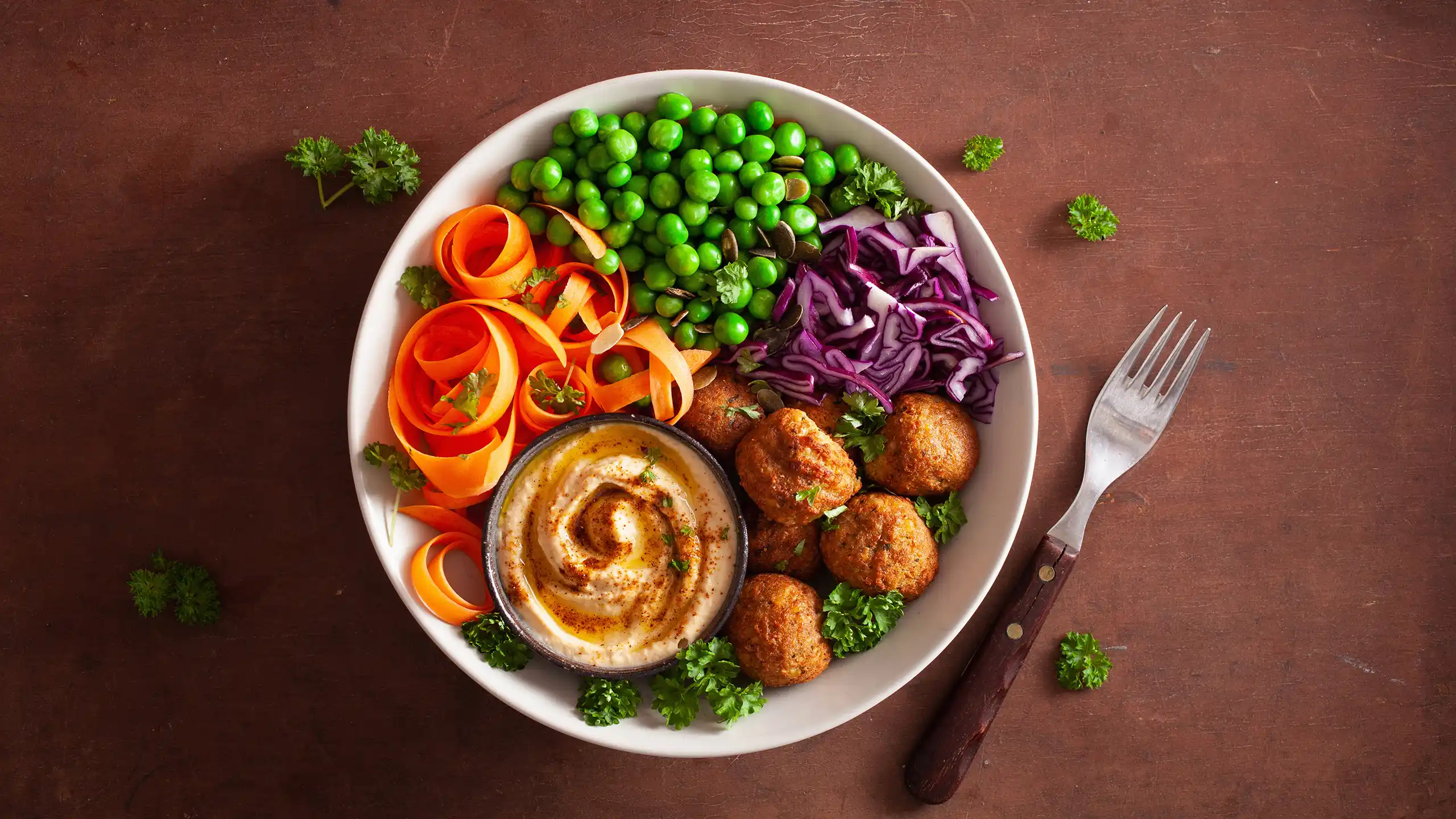
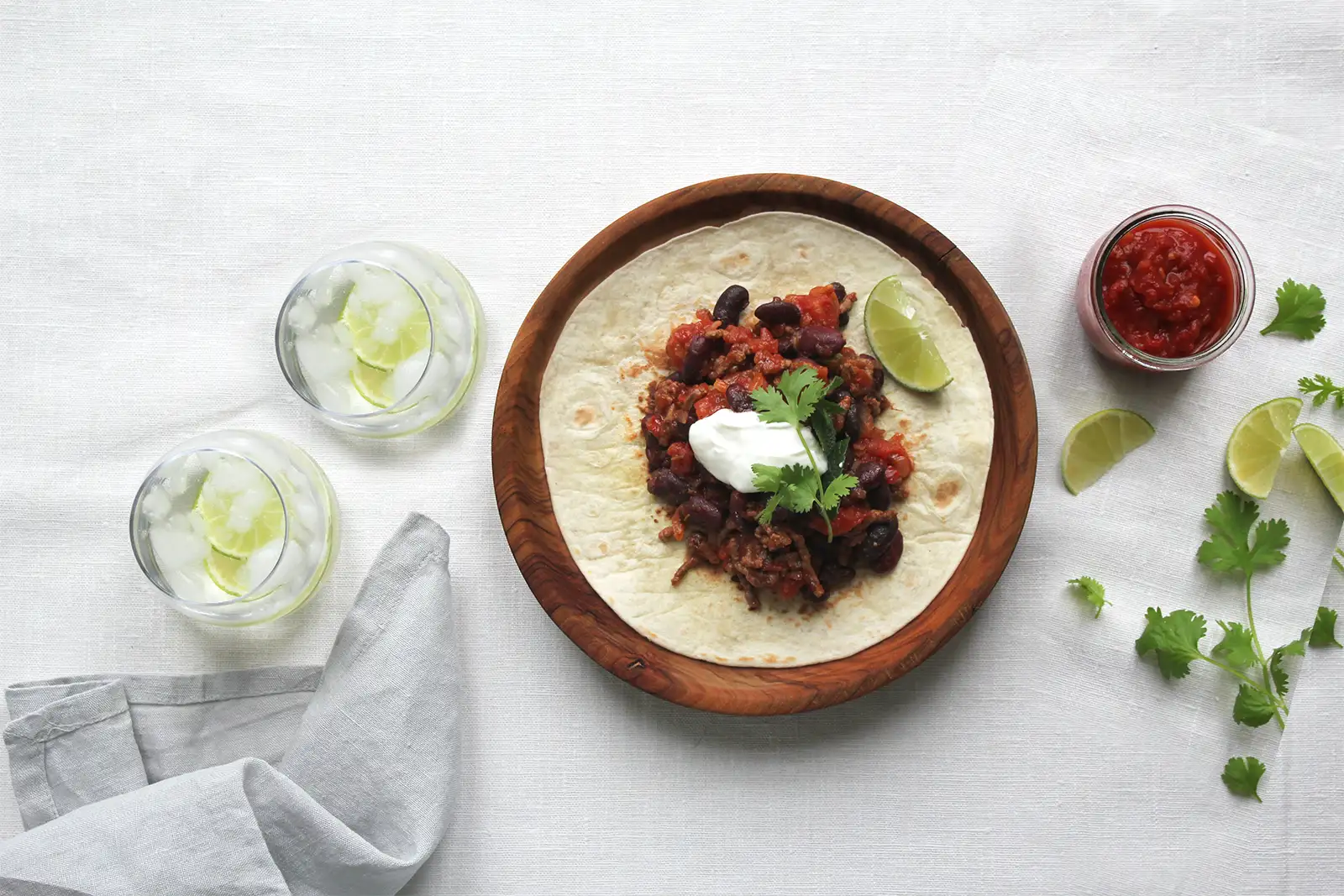
Legumes such as beans and lentils are packed with protein, fibre and vitamins. Their climate impact is low, and they’re both healthy and affordable food. Legumes are a great alternative to meat and really delicious in soups, stews and salads.
Beans, lentils, grains and seeds
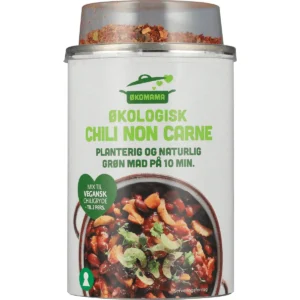
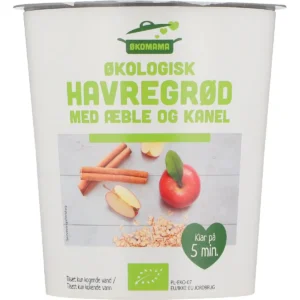
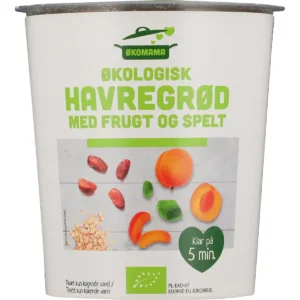
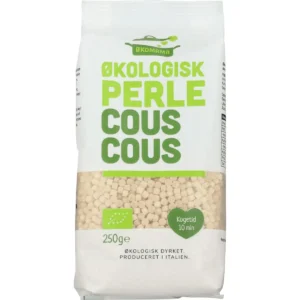
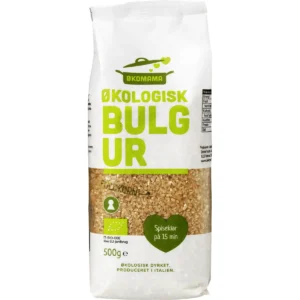
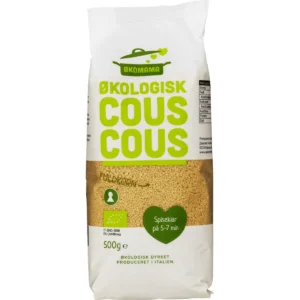
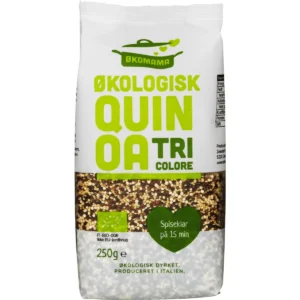
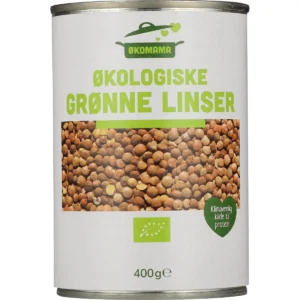
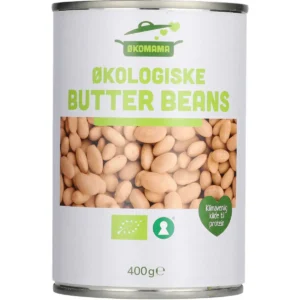
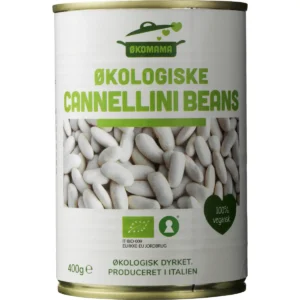
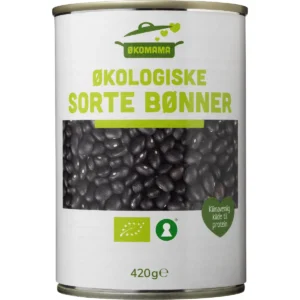
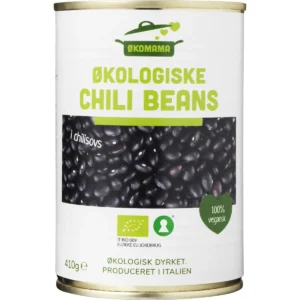
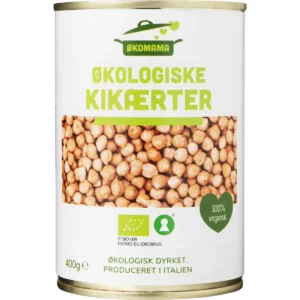
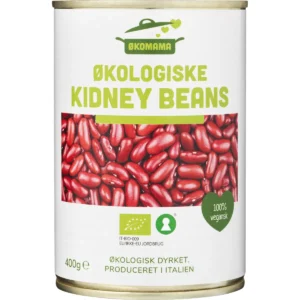
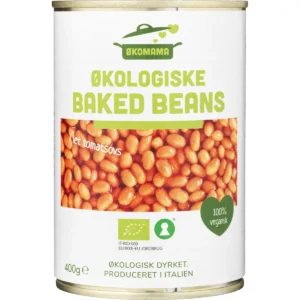
What are legumes?
Legumes are mature, dried seeds from the fruits of legume plants and belong to the pea family. The selection is huge, and they come in many different colours, sizes and flavours. Legumes are healthy and have a low climate footprint.
Chickpeas, kidney beans and other legumes are a great choice when you want to eat more protein. At the same time, they’re full of fibre, vitamins and minerals. The high protein content in legumes means you can fully or partly replace meat in your meals and stay full for longer. Legumes are among the foods that generally have a low climate footprint.
We’ve made it easy for you
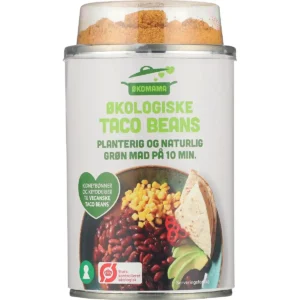
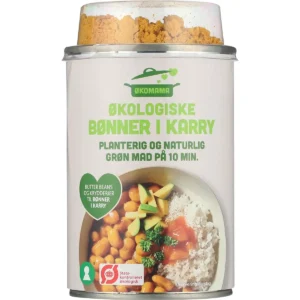
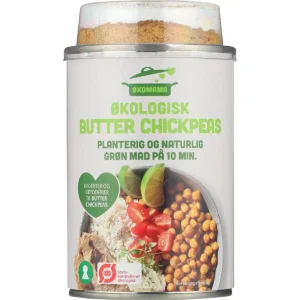
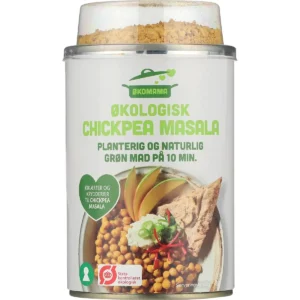
Our organic beans and chickpeas are cooked and ready to eat straight from the pack.
Otherwise, it can be quite a hassle to prepare legumes from scratch.
We’ve developed a wide range of pre-cooked, ready-to-eat products that are prepared properly, so you’re guaranteed a good feeling in your stomach, while also saving you many hours of prep time in the kitchen.